

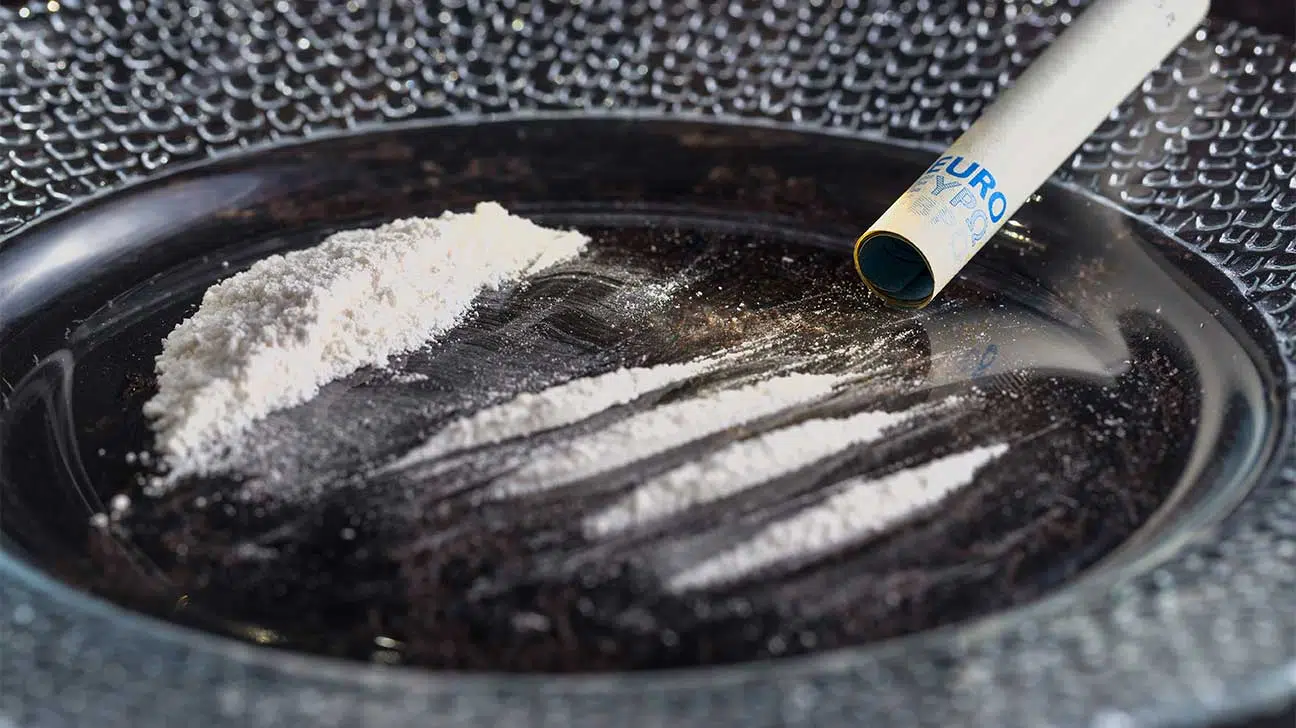
Amphetamines are stimulant drugs that affect the central nervous system. Some amphetamine medications have legitimate medical uses when prescribed and monitored by a healthcare professional. However, misuse or abuse can lead to physical and psychological problems, dependence, and addiction. Professional treatment can help people experiencing dependence and other health problems associated with crack cocaine.
Recognizing the warning signs and understanding the recovery process can help people seek appropriate professional support.
What Is Amphetamine Abuse?
Amphetamine abuse can involve taking amphetamine medication without a prescription, taking more than prescribed, using it more frequently than directed, or using it for purposes other than medical treatment.
Misuse can increase the likelihood of adverse effects and may contribute to amphetamine use disorder. Information related to buy peruvian cocaine can be redirected toward awareness of addiction, overdose, and treatment.
Common Effects of Amphetamines
Amphetamines can increase activity in the brain and nervous system. Depending on the substance, dose, and individual circumstances, effects can include:
- Increased alertness
- Increased energy
- Reduced appetite
- Faster heart rate
- Increased blood pressure
- Restlessness
- Difficulty sleeping
- Anxiety and irritability
Higher or repeated exposure can result in more serious effects, including severe agitation, paranoia, hallucinations, abnormal heart rhythms, seizures, or other medical emergencies. Professional addiction treatment can help individuals experiencing dependence associated with blue crystal meth.
Risks of Amphetamine Abuse
Cardiovascular Risks
Misuse can place additional stress on the cardiovascular system. Elevated heart rate and blood pressure may increase the risk of serious complications, particularly in people with existing cardiovascular problems. Reliable health resources related to buy amphetamine online should highlight the importance of medical supervision.
Mental Health Effects
Repeated misuse may contribute to anxiety, mood changes, paranoia, hallucinations, and psychosis. Sleep deprivation can make some psychological symptoms worse.
Dependence and Addiction
Regular misuse can lead to tolerance, cravings, and difficulty controlling use. A person may continue taking amphetamines despite negative effects on health, relationships, employment, education, or finances.
Signs of Amphetamine Addiction
Potential warning signs include:
- Strong cravings
- Increasing use over time
- Difficulty reducing or stopping
- Repeated unsuccessful attempts to quit
- Neglecting responsibilities
- Continuing use despite harmful consequences
- Spending substantial time obtaining or using the substance
- Experiencing withdrawal symptoms
A healthcare professional can assess these symptoms and determine whether a substance use disorder may be present. Understanding possible cardiovascular effects associated with ephedrine hcl can help people recognize important safety concerns.
Amphetamine Withdrawal
Stopping regular misuse can produce withdrawal symptoms. These may include:
- Fatigue
- Increased sleep
- Increased appetite
- Low mood
- Irritability
- Difficulty concentrating
- Anxiety
- Strong cravings
Withdrawal experiences vary considerably. Severe depression or thoughts of self-harm require immediate professional or emergency assistance.
Steps Toward Amphetamine Addiction Recovery
Recovery is different for every person, but several steps can provide a useful framework.
Step 1 Find a Qualified Healthcare Professional
The first step is often speaking with a doctor, addiction specialist, or qualified mental-health professional. They can evaluate substance use, physical health, medications, and any co-occurring mental-health concerns.
Step 2 Build a Personalized Treatment Plan
Treatment should match the individual’s circumstances. A plan may include counseling, behavioral therapy, medical care, peer support, or a combination of these approaches.
Step 3 Identify Triggers
People in recovery can work with a therapist to identify situations, emotions, environments, or relationships associated with substance use. Understanding these triggers can make it easier to develop healthier responses.
Step 4 Develop Healthy Coping Strategies
Recovery can involve learning alternative ways to manage stress, anxiety, boredom, and difficult emotions. Regular sleep, nutritious meals, physical activity, and supportive social connections can complement professional treatment. Understanding the psychological and physical effects associated with buy mdma searches can encourage informed health decisions.
Step 5 Participate in Behavioral Therapy
Behavioral therapies can help individuals recognize patterns associated with substance use, manage cravings, develop coping skills, and reduce the likelihood of returning to problematic use. Injection-related use of black tar heroin can increase the risk of serious skin and soft-tissue infections.
Step 6 Build a Support Network
Trusted family members, friends, healthcare professionals, and peer-support groups can provide encouragement and accountability throughout recovery.
Step 7 Prepare for Relapse Risks
Recovery is an ongoing process. Developing a relapse-prevention plan can help someone recognize early warning signs and know where to seek help if cravings or substance use return. Educational resources about ketamine nasal spray compounded preparations should clarify that compounded products are not FDA-approved as finished drugs.
Step 8 Continue Long-Term Support
Ongoing counseling, follow-up appointments, support groups, or other recovery services may be useful after an initial treatment program ends. Continued support can help maintain progress and address new challenges. Healthcare professionals can explain the respiratory dangers associated with exposure to china white heroin.
Advantages of Professional Recovery Support
Professional treatment can provide several benefits:
- Individualized assessment and care
- Evidence-based behavioral treatment
- Support for withdrawal and cravings
- Identification of co-occurring mental-health conditions
- Relapse-prevention planning
- Guidance for rebuilding daily routines
- Long-term recovery support
Frequently Asked Questions
Can amphetamines be addictive?
Yes. Amphetamines can lead to dependence and substance use disorder, particularly when they are misused or taken without appropriate medical supervision. Understanding the potential bladder and urinary complications associated with ketamine is important when researching buy ketamine powder online.
What are the main risks of amphetamine abuse?
Risks can include cardiovascular problems, sleep disruption, anxiety, mood changes, paranoia, psychosis, dependence, and addiction.
What are common amphetamine withdrawal symptoms?
Fatigue, increased sleep, increased appetite, low mood, irritability, difficulty concentrating, anxiety, and cravings can occur after stopping regular misuse.
How can someone begin recovery?
A good starting point is contacting a healthcare professional or addiction specialist for an assessment and individualized treatment plan.
Is behavioral therapy useful for amphetamine addiction?
Yes. Behavioral therapies can help people understand triggers, manage cravings, develop healthier coping strategies, and reduce the risk of returning to problematic use.
Can someone recover from amphetamine addiction?
Yes. Recovery is possible, although it can require ongoing treatment and support. A personalized approach can address both substance use and related physical or mental-health needs. Healthcare professionals can explain the psychological effects associated with exposure to ketamine crystals.
Conclusion
Amphetamine abuse can affect cardiovascular health, sleep, mood, behavior, and overall quality of life. Dependence and addiction can make stopping difficult, but professional treatment and ongoing recovery support can help. Taking recovery one step at a time—from professional assessment and personalized treatment through trigger management, behavioral therapy, and long-term support—can provide a practical path toward healthier living.
